

Recent Blog Posts
Understanding The Penalties For Underage DUI’s In Illinois
This time of year often brings home many college students, as well as lots of holiday parties. With this brings more opportunities for young adults to fall victim to underage DUI’s.
With the legal drinking age being 21 in the state of Illinois, any person who consumes alcohol under the age of 21 is illegal. However, in the state of Illinois, there are exceptions to this rule. These exceptions are: if alcohol is being consumed for religious reasons, and if alcohol is being consumed on private property and under the consent of a legal guardian.
Since Illinois is a zero tolerance state, if an individual that is underage is determined to have a Blood Alcohol Content (BAC) level of 0.00% or higher, then they will be charged with driving under the influence (DUI).
Below are the penalties that you may face if you are charged with an underage DUI:
1st Conviction
City Visitors Must Abide by Chicago Gun Laws
 Considering some of the tragic events that occur in the world today, it is perhaps not surprising that citizens who choose to exercise their Second Amendment right to bear arms also may choose to travel with their firearms. Whether they anticipate using the weapon for self defense or protection, or just simply to gain some peace of mind, it is important for those individuals choosing to do so to realize that there are usually laws regulating weapon possession by which they must abide. If not, violators of weapons laws may face serious criminal charges, including felony crimes. Visitors to this area should also be aware that they need to follow Chicago gun laws, as well.
Gun Laws in Chicago
According to a recently published news article, gun owners who visit Chicago should familiarize themselves with the city’s gun laws before deciding to take their weapon with them to the city, or to the state of Illinois. There are three main laws governing possession of firearms that are applicable throughout the state, including in the city of Chicago: one in the Criminal Code, one in the Wildlife Code, and the Firearm Owner’s Identification Act. These laws are in addition to any local regulations or ordinances put in place by smaller communities within the state of Illinois. Even those who are not residents of Illinois are subjected to these laws and are expected to abide by them while in the state.
Mandatory Reporting in Child Abuse Cases
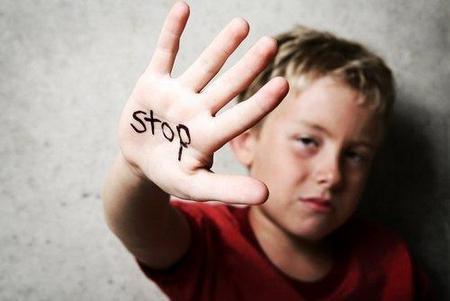 In areas of criminal law dealing with children, some punishments are particularly harsh when the law is violated. Such is the case with matters involving child abuse allegations. Not only does the perpetrator face potentially serious criminal charges, but additional laws also act to place responsibility on other adults in the child’s life who may have had a reason to believe the abuse was happening. In light of some recent event happening in a local county, a recent news article was published by the Chicago Tribune to help explain the Illinois law regarding mandated reporting.
Reporting Child Abuse
There is a criminal case pending in a local Chicago-area county involving allegations against teachers who reportedly failed to report suspected child abuse. The criminal case is ongoing. The relevant law in the case is the Illinois Abused and Neglected Child Reporting Act, which is rarely used in the state but has been active for almost 40 years. The Act includes a section defining those who are considered mandated reporters, and teachers are included in the law’s definition. According to its terms, mandated reporters have an obligation to contact law enforcement officials if they have reasonable cause to believe a child is the victim of abuse.
Police Deadly Force Examined on National Level
 Everyday citizens are not the only ones whose behavior must conform to certain standards set by law. Police, too, are supposed to follow a set of provisions, many of them put in place by the U.S. Constitution, in carrying out their duties as representatives of the government. Failure to do so, in either case, could result in different consequences. One of the most extreme examples of police action in the context of carrying out their duties is the use of deadly force and the circumstances in which it can and should be used. A shooting death which occurred over the summer has brought this issue to the forefront of media discussions.
License to Kill
There is little doubt that police officers and law enforcement are allowed, in certain limited circumstances, to use deadly force when necessary. These situations include, but are not limited to, ones in which the police officer’s lives are in clear and obvious danger, or are facing a threat of significant harm or death themselves. The problem that the referenced report points out is that there is very little tracking of fatalities caused by officers’ use of deadly force and investigation into the matter to determine whether the use of force in a given case should be met with any consequences.
Addressing Sexting among Juveniles
 Juvenile crimes generally get special and specific considerations when they are prosecuted in the court system. Many times, juvenile offenders participate in criminal activity merely as a result of immaturity or inexperience. One bad judgment call can have significant effects if the action results in an illegal act. Of course, there are certainly other juvenile cases that are much more serious and involve significant crimes and associated penalties depending on the facts of the case. Determining how to address issues and handle juvenile offenders in light of their crime and personal history is a main challenge of the juvenile justice system.
The Crime of Sexting
Sexting is an offense that has made headlines in Chicago several times in 2014. It is one such juvenile offense that may be handled differently according to the facts and circumstances of a case and the particular offender or offenders involved. There are likely cases in which the offense was the result of poor judgment, and other cases may have more intentional actions, leading to more serious consequences. According to a recently published report, law enforcement in Chicago are currently dealing with a high-profile sexting case, allegedly involving at least three juveniles. It is the sixth such juvenile case that officials have had to address this year alone.
Divorce And The Most Common Misconceptions
Divorce…it’s a word that is typically associated with pain and duress. However, this view has become a common misconception. With divorce becoming more and more common, many couples are deciding to take a more amicable approach. This is only one common misconception out of many.
Divorce is harmful to children. While it is true that no divorce or break-up is easy, divorce does not have to be harmful to anyone, especially the children. It is key, however, in order for this to remain true, both parents must maintain respect and communication, as well as support for each other and their children.
Divorce is the only answer. Many couples think that divorce is the only answer. While this may be true in certain situations, divorce may not be the right answer for all. If there is any chance of a reconciliation, it always best to consider a less permanent resolution, such as legal separation.
Divorce will create hate. While many divorces end under bad terms, this is not true for all, especially when a divorce is handled amicably and collaboratively. Divorce does not have to lead to hate and resentment, so it is always good to consider the alternative and work together to ensure a positive and peaceful resolution.
Drug Court in Illinois
 Many involved in the criminal justice system as the result of drug charges are battling a serious addiction. But for the drug dependency of these offenders, they most likely would not participate in illegal or criminal activity. In instances such as these, courts and law enforcement usually recognize the unique needs of these defendants and attempt to address them. Often times, this may involve the defendant participating in an alternative program known as drug court.
Drug Court FAQs
A recent news article touting the crime-reducing benefits of drug court in some counties goes on to explain some basic information regarding the program. Many counties in Illinois have formed drug court as a division of the Circuit Court. The eligible participants are ideally nonviolent drug-dependent offenders who are willing to submit to intensive treatment and accountability-based supervision in order to address their criminal charges and get a new chance at life. They are closely monitored by a judge and a larger drug court team.
Sex Abuse Charges and Elderly Defendants
 It should go without saying that sex crimes are serious offenses that have severe consequences associated with them. These cases present many issues that need to be addressed, but some cases involve special circumstances that deserve extra consideration. As one report points out, one type of sex offense case that involves additional issues are those in which an elderly defendant is charged with a crime stemming from facts that allegedly occurred decades ago.
Health Concerns
In addition to the myriad of other issues inherently involved in sex crime cases, those in which an elderly defendant is charged usually have an additional set of unique factors to consider. Not only can these cases involve displacing a criminal defendant from his or her place of residence, but can also involve extradition issues, which may be more common the further back in time the facts supporting the charges supposedly occurred. All of this is compounded by any health concerns elderly defendants have, which can also vary in severity. In some cases, an elderly defendant’s life could be placed at serious risk before they are even tried for their crime.
Legal Separation vs. Divorce
When it comes to needing to make a change in your marriage, many couples consider divorce their only option. However, there are other options out there, such as legal separation.
Since divorce results in the finality of a marriage, it is critical to ensure that a couple wishes to end their marriage. Often times, legal separation may be the better option, especially if there may be a chance for reconciliation in the future.
There are several other reasons a couple may wish to pursue a legal separation versus a divorce, such as:
- The opposition of divorce due to religious reasons.
- The eligibility of a spouse’s benefits, including Social Security and other government benefits.
- The eligibility of health insurance or other benefits from spouse’s employer.
- The eligibility of tax benefits if stating legally married.
- There is less stress related to filing a separation agreement versus a divorce agreement.
High Tech Tools Used for Police Surveillance
 According to recent report, law enforcement officials in communities across the country, in small towns and big cities alike, are using increasingly sophisticated technology for police surveillance purposes. Some of that technology includes ultra high definition cameras, programs that are able to read license plates and recognize faces, as well as systems that can alert police to suspicious behavior. With such access into the lives of citizens, some are saying that such monitoring is a serious threat to privacy and strict guidelines need to be in place regarding how police use this technology.
The Need for Regulations
When invasive technology is used for police surveillance, private citizens often have a number of concerns. These range from rules regarding how the technology can legally be used to the disposal of the recorded footage that does not relate to criminal charges or the investigation of a crime. The main problem, and likely a substantial part of the reason such rules and guidelines have not been advanced, is that technology is developing at a faster pace than laws can keep pace with.

Schedule Your Free Consultation
Arlington Heights Office 3030 Salt Creek Lane, Suite 120 Arlington Heights, IL 60005 Phone: 847-253-3100


At Cosley Law Office, we represent clients throughout Illinois, including Arlington Heights, Barrington, Buffalo Grove, Des Plaines, Elk Grove Village, Glenview, Hoffman Estates, Inverness, Long Grove, Mount Prospect, Mundelein, Northbrook, Palatine, Prospect Heights, Rolling Meadows, Schaumburg, Schiller Park, Wheeling, and Wood Dale, as well as Cook County, Lake County, DuPage County, and throughout the Chicago, IL metropolitan area.
Results listed are not a guarantee or indication of future case results.

© 2026 Cosley Law Office
3030 Salt Creek Lane, Suite 120, Arlington Heights, IL 60005
847-253-3100