

Recent Blog Posts
FAQs About Medical Marijuana in Illinois
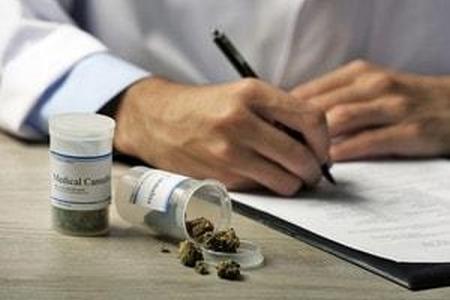 According to the ACLU, approximately 52 percent of all drug arrests conducted in the United States in 2010 were for marijuana-related crimes. This is largely thanks to the various drug laws that were passed during the government’s “war on drugs” campaign in the 70s-many of which imposed relatively harsh penalties for possessing or distributing marijuana.
However, in more recent years,several states, including Illinois, have relaxed their drug laws a bit and now permit the use of marijuana for medical purposes. Unfortunately many of these modern medical marijuana laws are not well understood by the public. Consider the following frequently asked questions to help clear some confusion.
Q: What is “medical marijuana”?
A: The National Institute on Drug Abuse’s website notes that the term “medical marijuana” (sometimes called “medical cannabis”) refers to using the whole marijuana plant, or its extracts, to treat symptoms of illness. In other words, medical marijuana is, from a scientific standpoint, essentially the same as recreational marijuana.
Former Basketball Star Charged With DUI Under Bizarre Circumstances
 When people think about the consequences of a DUI, what usually comes to mind is the possibility of jail time. However, being convicted of driving under the influence can be devastating in more ways than just one. Those who drink and drive are not only are risking going to jail but are also putting themselves and the surrounding vehicles serious danger.
A former college basketball star was recently arrested for drunk driving in Belleville, Illinois. The arrest happened around 3 a.m. after sheriff's deputies noticed a vehicle stopped at a red light. The light turned green and the car did not move. When other drivers had to physically drive around the stopped car to get through the intersection, the officers became suspicious. Deputies found the driver of the stopped car unresponsive. It quickly became apparent that the driver had actually passed out behind the wheel while driving.
Detained for Shoplifting? Know Your Legal Rights in Illinois
 Did you know that when a security guard at a mall in Illinois detains someone who is suspected of shoplifting, the guard is actually making a citizen’s arrest? In other words,he or she isacting as a private citizen andis therefore bound by our state’s private person arrest statute just like anyone elsewho makes a citizen’s arrest.
Citizen’s Arrests: The Basics
In Illinois, our private person arrest statute is codified in code section 725 ILCS 5/107-3 and states, “Any person may arrest another when he has reasonable grounds to believe that an offense other than an ordinance violation is being committed.” Therefore, a store’s security guard (or any other person for that matter) is legally withinhis or her rights under Illinois law to arrest you ifhe or she reasonably believe that you are shoplifting.
Who is Required to Register as a Sex Offender in Illinois?
 A sex offender, simply put, is someone who has been convicted of, or plead guilty to, committing a sex crime (i.e. a crime involving sexual conduct or committed with a sexual motive). In the United States, many sex offenders are required to register with a local law enforcement agency due to the federal Wetterling Act.
The actrequires the states to implement sex offender registries aimed at gathering information about sex offenders living within their borders, and the corresponding state laws designed to fulfill this requirement (which are each commonly referred to as “Megan’s Law,” respectively).
Registration requirements vary a bit from state to state. However,to give you an idea about the circumstances under which an individual is generally required to register as a sex offender, the registration requirements for Illinois’ sex offender registry are briefly outlined below.
Drug Trafficking at the State and Federal Level
 Drug trafficking (i.e. distributing or selling a controlled substance) is illegal under both state and federal law and while the legal ramifications of federal drug convictions tend to be considered much steeper than state level drug convictions, it is important to note that this is not always the case.
If you or a loved one has been accused of illegally trafficking drugs at either the state or federal level, it is important to understand that this is a serious accusation for whichyour or your loved onemay face significant jail time.
Federal Law
Per 21 U.S. Code § 841, it is illegal under federal law, in most circumstances, to manufacture, dispense, or distribute a qualifying controlled substance, or possess such a substance with the intent to distribute, manufacture, or dispense it. Also, take note that the legal ramifications of drug trafficking under federal law vary significantly depending on which schedule the trafficked substance is classified under.
DUI Awareness on “Blackout Wednesday”
 This Thursday is Thanksgiving-a time when old friends and relatives get together to celebrate and give thanks for the blessings in their lives. Unfortunately, during the holiday, many people choose to drink and then get behind the wheel of a car. Bars are often very crowded the day before Thanksgiving as many have the next day off work, so they feel more comfortable drinking more than they normally would. Drinking on that particular night has become so prevalent that it has earned the ominous nickname of “Blackout Wednesday.” Others, of course, may drink to cope with family and personal stresses, which can be especially difficult during the holidays. Still others just want to party and have a good time and do not realize they are too intoxicated to drive.
Plan for a Ride Home If You Plan to Drink This Wednesday
What Are the Penalties for Battery in Illinois?
 Battery, unlawfully and knowingly causing physical bodily harm to someone else or making physical contact of a provoking or insulting nature with the person of another, is a serious criminal offense in the state of Illinois. Moreover, battery is punished in a variety of different ways-the severity of which depends on the circumstances surrounding the battery and the type of battery with which the offender is charged.
Battery & Aggravated Battery
Battery as defined in code section 720 ILCS 5/12-3 is a Class A misdemeanor that is punishable by up to one year in prison and a fine of up to $2,500. However, in some instances, those convicted of battery will instead be sentenced to probation rather than imprisonment and be required to attend counseling and/or engage in a set amount of community service.
Juveniles Caught With Fake IDs in Illinois: The Consequences
 As the legal drinking age in Illinois is 21, it is not all that uncommon for underage juveniles to be caught with fake IDs. While such an offense may not seem like more than a youthful indiscretion, it is important to note that unlawful possession of fictitious identification in Illinois can be charged as a felony offense under some circumstances.
Unlawful Possession of Fictitious Identification
Under code section 15 ILCS 335/14A, it is a felony offense for any person in Illinois to:
- Knowingly possess or display a fake or illegally altered ID card;
- Knowingly possess or display a fake or illegally altered ID card in order to obtain a bank account, credit, a debit card, or a credit card;
- Knowingly possess a fake or illegally altered ID card in order to commit credit card fraud, theft, or any other illegal action;
Standardized Field Sobriety Tests During a DUI Stop
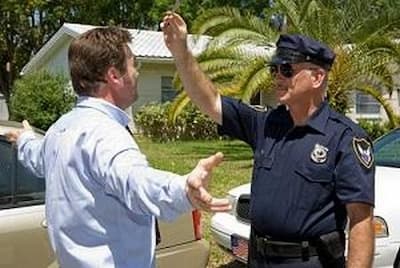 Imagine that you have been pulled over on suspicion of driving under the influence, or DUI. The officer approaches your car and asks if you have been drinking. Regardless of your answer, you may be asked to get out of your car and submit to sobriety testing. From you have seen on TV or in the movies, do you know what the test would be? Will the officer ask you to recite the alphabet backwards? Or maybe he or she will have you spell your birth month. While there are many entertaining ways to test a person for potential intoxication, law enforcement officers around the country typically rely on a series of evaluations approved by the National Highway Traffic Safety Administration (NHTSA) known as Standardized Field Sobriety Tests, or SFSTs.
What Are SFSTs?
The SFSTs consist of three separate assessments designed to help an officer estimate a driver’s level of intoxication. These tests can be used in addition to a chemical testing procedure, such as a breathalyzer, or to justify a DUI arrest if such chemical testing provides marginal results or is not available.
Can Acts of Disorderly Conduct be Committed Online?
 U.S. News recently reportedthat a Chicago middle schooler was charged with disorderly conduct and a hate crime after posting a video on social media. Allegedly, the video in question was threatening in nature and was removed from the Internet after a parent reported it to the Marlowe Middle School and the police got involved.
When we think of acts of disorderly conduct we often think of someone inciting a riot, peeping through a window, or fighting in public. Rarely do we think of disorderly conduct as a crime that can be committed online. Nevertheless, some states, including Illinois, recognize disorderly conduct as a crime that can be committed either in person or remotely.
Illinois’ Disorderly Conduct Statute
Under code section 720 ILCS 5/26-1, an individual can commit the crime of disorderly conduct in a number of different ways including, including the following:

Schedule Your Free Consultation
Arlington Heights Office 3030 Salt Creek Lane, Suite 120 Arlington Heights, IL 60005 Phone: 847-253-3100


At Cosley Law Office, we represent clients throughout Illinois, including Arlington Heights, Barrington, Buffalo Grove, Des Plaines, Elk Grove Village, Glenview, Hoffman Estates, Inverness, Long Grove, Mount Prospect, Mundelein, Northbrook, Palatine, Prospect Heights, Rolling Meadows, Schaumburg, Schiller Park, Wheeling, and Wood Dale, as well as Cook County, Lake County, DuPage County, and throughout the Chicago, IL metropolitan area.
Results listed are not a guarantee or indication of future case results.

© 2026 Cosley Law Office
3030 Salt Creek Lane, Suite 120, Arlington Heights, IL 60005
847-253-3100